Nestled among the high peaks and deep rivers of the Andes, the Sacred Valley of the Incas (Valle Sagrado) is one of Peru’s most compelling and accessible treasures. Just a short drive from Cusco, this fertile region was once the agricultural, spiritual, and administrative backbone of the Inca Empire. A day trip or full‑day tour from Cusco into the Sacred Valley offers a rich blend of history, culture, breathtaking landscapes, local crafts, and an opportunity to acclimatize to Andean altitudes. Below, we explore what a Sacred Valley tour entails, the key highlights, practical tips, and why it’s an essential part of any itinerary in southern Peru.
What Is the Sacred Valley?
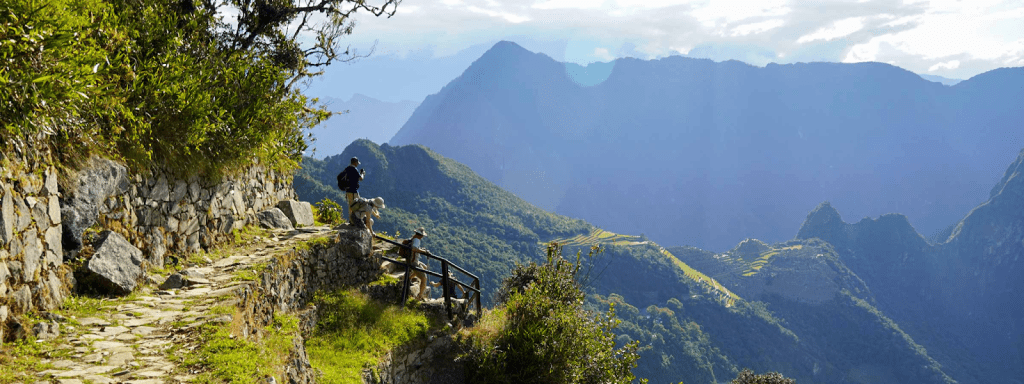
The Sacred Valley is a broad, fertile region along the Urubamba River, extending roughly from Pisac in the east, through Urubamba, to Ollantaytambo, and up to areas like Chinchero. It lies lower than Cusco’s city altitude, which makes it somewhat more comfortable for those recently arrived. Historically, this valley was especially prized by the Incas because of its rich soils, favorable climate, and strategic location. It served multiple roles: producing food, holding religious ceremonies, acting as a reserve of power and administration, and maintaining trade routes, including toward what is now Machu Picchu.
Typical Sacred Valley Day Trip Itinerary
Though there are variations depending on the tour operator, group size, and whether the tour is private or shared, most Sacred Valley day trips from Cusco follow a similar pattern. Here is a sample itinerary with the main stops and what to expect at each.
Sometimes tours include extra stops such as Moray (agricultural terraces used by Incas perhaps for experimentation or microclimate work) or Maras Salt Mines. These add time, so if you want a more relaxed pace, verify in advance.
Why Do the Sacred Valley Tour?
- Cultural & Archaeological Richness
From Inca engineering (terraces, stonework, hydraulic systems) to living traditions like weaving and local markets, the Sacred Valley brings together many threads of Peru’s heritage. Sites like Pisac and Ollantaytambo give vivid insight into how the Incas organized their world. - Scenic Beauty & Landscape Variation
The contrast of high mountains, deep valleys, rushing rivers, terraces carved into steep slopes, towns perched among peaks—all provide stunning scenery and multiple photographic opportunities. - Acclimatization & Comfort
The Sacred Valley is lower in altitude than Cusco city (~3,400 m) and many of the high mountain passes. Spending time here helps your body adjust if you plan on going higher (e.g. Machu Picchu, high hikes) while still experiencing real Andean life. - Accessibility
You don’t need to be super fit to do a Sacred Valley day tour. Most walking is moderate, there are plenty of resting points, and the transport logistics are well‑organised. For many visitors, it’s one of the easiest ways to dive into Inca history without overnight treks. - Shopping, Local Food & Interactions
Markets like Pisac offer vibrant colors, textiles, ceramics, and opportunity to support local artisans. Food in Urubamba tends to be fresh, often featuring Andean ingredients. Villages like Chinchero give insight into daily life and crafts.
Practical Tips & Considerations
- Tourist Ticket (Boleto Turístico): Many sites in the Sacred Valley require a general tourist ticket. Some tours include this, others don’t. Be sure to check ahead so you aren’t surprised with extra cost.
- Start Early: Tours usually begin around 7:00‑8:30 AM. Starting early helps avoid crowds and gives more time to explore.
- What to Bring: Comfortable walking shoes; layered clothing (mornings are cool, mid‑day can be warm, late afternoon gets cooler); sun protection (hat, sunglasses, sunscreen); water; small snacks; some cash for markets; camera. Also, make sure you have any ID/passports needed for entrance tickets.
- Altitude Adjustment: Although the valley is lower than Cusco, altitude sickness can still affect some travelers. Drink plenty of water, take it easy on physical exertion if just arrived, consider staying a night in Cusco Sacred Valley Tour Day Trip
- or in the valley before doing strenuous hikes.
- Private vs. Group Tours: Private tours tend to allow more flexibility (more time at each stop, customized pace, pickups, drop‑offs) but are more expensive. Group tours are more affordable and still cover the main highlights. Decide what kind of experience you prefer.
- Food & Hydration: Lunch stops are usually in Urubamba. The food is good, often buffet‑style with local specialities. Make sure to carry water; options to refill are available but sometimes only at main stops.
- Weather & Best Time to Go: Best months are during the dry season, from April to October. During the rainy season (November‑March), roads can be muddy, visibility reduced, and some sites might be more slippery. Early morning or late afternoon clouds are possible even in dry months.
Variations & Extensions
If you have more time or want to explore more deeply, there are extensions and alternatives, for example:
- Add Moray terraces and Maras Salt Mines to your Sacred Valley route. These involve more driving but offer unusual landscapes and insights (the salt pans, circular agricultural terraces). Stay overnight in the Valley (e.g., in Ollantaytambo or Urubamba) – this allows more relaxed exploration, possibly a hike, sunrise views, or meeting local artisans over more than just a few hours.
- Combine the Sacred Valley tour with a later trip to Machu Picchu (many people travel by train from Ollantaytambo). This makes the Sacred Valley not just a standalone experience, but part of a larger Inca route.
- For adventure‑oriented travelers: hiking, biking, even rafting on the Urubamba River are options around the valley.
Suggested Sample Pricing
Pricing depends heavily on whether you choose private or shared service, inclusions (entrance tickets, lunch, etc.), and group size. As of recent estimates:
- Shared / group day tours typically range from US$ 70‑$100 per person for a full‑day Sacred Valley tour including transport, guide, lunch, and entrance to some archaeological sites.
- Private tours are more expensive, perhaps US$ 100‑150+, depending on number of travellers and services included.
It’s wise to ask exactly what is included (transport, tickets, lunch) to make “apples to apples” comparisons.
A Note on Timing, Safety, and Sustainability
- In order to protect both visitors and the heritage sites, many tour operators are licensed, and guides are often certified. Choosing reputable operators ensures you get accurate information and that your visit helps preserve the sites.
- Safety: Roads are generally well‑maintained, but mountain driving means curves, possible altitude challenges, and changing weather. A good tour will account for these, provide reliable transport, and guide flexibility.
- Respect local culture: Visiting markets, villages, and religious or sacred sites means being aware of local customs. Ask before photographing people, avoid disrupting ceremonies or works, and purchase crafts fairly.
Conclusion
The Sacred Valley Tour from Cusco is not just another check‑off in a travel itinerary—it is a journey into the living heritage of the Andean world. In one full day, you can traverse dramatic landscapes, explore Inca ruins of stunning sophistication, engage with local artisans, and sense both how the past shaped the present and how communities continue to thrive amid these high valleys. It’s accessible even for those less accustomed to high altitudes, yet rewarding in its depth and beauty. Whether you opt for a guided group experience or a private tour that moves at your own pace, the Sacred Valley offers a perfect blend of culture, nature, history, and peace. For anyone visiting Cusco and southern Peru, it’s almost unavoidable: the Sacred Valley is nothing less than essential.
 Globixi
Leave a comment