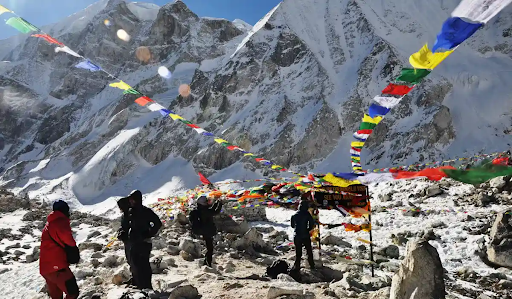
The Manaslu Circuit Trek is one of Nepal’s most stunning yet less-trodden trekking routes, offering a perfect blend of adventure, culture, and unspoiled Himalayan beauty. Winding around Mount Manaslu (8,163m)—the world’s eighth highest peak—this journey is ideal for trekkers seeking a more remote and culturally immersive experience compared to the busier Everest or Annapurna trails.
Why Choose the Manaslu Trek in Nepal?
The Manaslu Trek in Nepal is a dramatic circuit trail that traverses subtropical forests, glacial rivers, and high-altitude mountain passes. It skirts the Manaslu Conservation Area, a region rich in biodiversity and dotted with traditional Tibetan Buddhist villages. Compared to its more commercial counterparts, Manaslu offers a quieter, more intimate trekking experience with equally jaw-dropping landscapes.
The trek is challenging yet rewarding, with the Larkya La Pass (5,106m) being the highest and most demanding point. Along the way, trekkers are treated to views of Mount Himalchuli, Ngadi Chuli, Ganesh Himal, and Manaslu itself, while enjoying cultural interactions with locals of Tibetan and Gurung heritage.
Detailed Manaslu Trek Itinerary
A typical Manaslu Circuit Trek itinerary lasts between 14 and 18 days, depending on your pace, acclimatization needs, and any side trips you may take. Here’s a popular 15-day outline:
Day 1: Arrival in Kathmandu (1,400m)
Upon arrival, relax and prepare for permits and final gear checks.
Day 2: Drive to Machha Khola (870m) – 8–9 hours
A long but scenic drive through Arughat leads to Machha Khola, where the trek begins the next day.
Day 3: Trek to Jagat (1,340m) – 6–7 hours
The trail winds through lush forests and waterfalls, with small teahouses offering local hospitality.
Day 4: Trek to Deng (1,860m) – 6–7 hours
Enter the restricted area after the checkpoint at Jagat. Tibetan cultural influence begins to appear.
Day 5: Trek to Namrung (2,630m) – 6 hours
The trail gains altitude and passes through rhododendron and oak forests, with views of Ganesh Himal.
Day 6: Trek to Lho (3,180m) – 4–5 hours
From here, you get the first full glimpse of Mount Manaslu. Visit the Ribung Gompa monastery.
Day 7: Trek to Samagaun (3,520m) – 4 hours
Samagaun is a large and beautiful village, making it an ideal location for acclimatization. Explore Buddhist monasteries and observe yak herds grazing in the pastures.
Day 8: Acclimatization at Samagaun
Take an acclimatization hike to Manaslu Base Camp (4,800m) or Pungyen Gompa. Both offer extraordinary views.
Day 9: Trek to Samdo (3,875m) – 4 hours
Trek further north, gaining more elevation. Samdo is a Tibetan refugee village with incredible panoramic views.
Day 10: Trek to Dharamsala (4,460m) – 4 hours
Also called Larke Phedi, this is the last stop before the high pass. Rest and prepare for the big day.
Day 11: Cross Larkya La Pass (5,106m), trek to Bimthang (3,590m) – 8–9 hours
The most challenging but most rewarding day. After crossing the icy pass, descend into the glacial valley of Bimthang.
Day 12: Trek to Tilije (2,300m) – 6 hours
Back in tree-line territory. You’ll notice the shift from Tibetan to Gurung culture.
Day 13: Trek to Dharapani (1,860m) and Drive to Besisahar – 5 hours
The final leg of the trek. Join the Annapurna Circuit Trail briefly before a jeep ride to Besisahar.
Day 14: Drive back to Kathmandu – 6–7 hours
Celebrate your adventure with a well-earned rest or a cultural evening in Thamel.
Permit Requirements
The Manaslu region is a restricted area, so special permits are needed:
- Manaslu Restricted Area Permit
- Manaslu Conservation Area Permit (MCAP)
- Annapurna Conservation Area Permit (ACAP)
- A minimum of two trekkers with a licensed guide is mandatory.
Best Time to Trek the Manaslu Circuit
The ideal trekking seasons are:
- Autumn (September to November) – Stable weather, clear skies, and festivals.
- Spring (March to May) – Blooming rhododendrons and warm temperatures.
Winter can be harsh at higher altitudes, and the Larkya La Pass may be blocked by snow. Monsoon season (June–August) brings landslides and leeches, making it less ideal.
Accommodation and Food
The Manaslu region has developed steadily, and teahouse trekking is now a viable option. These basic lodges provide:
- Simple twin rooms with shared toilets
- Meals like dal bhat, noodles, soups, and pancakes
- Limited electricity and Wi-Fi (especially at higher altitudes)
Trekkers are advised to carry cash (Nepalese rupees), as ATMs and card payments are unavailable along the trail.
Manaslu Trek Difficulty
The Manaslu Circuit is moderately to highly challenging. The distance (177 km), combined with steep ascents and high altitude, means that prior trekking experience and good physical fitness are essential.
Acclimatization is critical, especially before the Larkya La Pass. AMS (Acute Mountain Sickness) precautions, such as proper hydration and slow ascent, are necessary.
Responsible Trekking in the Manaslu Region
This trek passes through ecologically and culturally sensitive areas. Travelers are encouraged to:
- Use refillable water bottles and purifiers to avoid plastic
- Respect local customs and dress modestly.
- Stay in community-based lodges to support the local community.
Supporting local businesses and guides helps sustain the region and preserve its authenticity.
Conclusion
The Manaslu Circuit Trek remains one of Nepal’s most authentic and majestic trails. It combines Himalayan grandeur with cultural immersion in a way few treks can. With fewer crowds, rich Tibetan-influenced heritage, and the exhilarating challenge of crossing Larkya La, this adventure is a perfect match for trekkers craving solitude and raw natural beauty.
Whether you’re a seasoned trekker seeking to avoid the crowds or a nature enthusiast seeking a more profound cultural connection, the Manaslu Trek in Nepal is an unforgettable journey that rewards every step with peace and breathtaking, pristine mountain views.
Key Takeaways
| Feature | Details |
| Trek Name | Manaslu Circuit Trek |
| Duration | 14–18 Days |
| Maximum Altitude | 5,106m (Larkya La Pass) |
| Best Seasons | Spring (Mar–May) & Autumn (Sep–Nov) |
| Difficulty | Moderate to Challenging |
| Permits Required | RAP, MCAP, ACAP (min. two trekkers with guide) |
| Accommodation | Teahouses (basic lodges) |
| Cultural Highlights | Tibetan Buddhist villages, monasteries, and ancient trade routes |
 Globixi
Leave a comment